How and When to Hit a Drop Shot or a Drive in Pickleball
How and When to Hit a Drop Shot or a Drive in Pickleball
Learn the correct technique and when to use a drop—or go for the drive. In pickleball, the drop shot is a decisive move.
Why? Because it puts you in a better position to move forward to the net. If your drop shot lands in the kitchen, move up as much as you can—until your opponent responds. If you shot deep and the kitchen line is still not defined on the move shot you made, you can reset or make another drop until you reach your goal: the kitchen line.
Here we explain how and when to use the drop shot, and when it’s better to go for an aggressive drive.
What is a Drop Shot?
It’s a soft, falling shot, usually played when both opponents are already at the kitchen line. The goal is to have the ball land softly in the non-volley zone (kitchen), making it harder for opponents to attack and giving you time to advance forward.
Drop Shot Technique
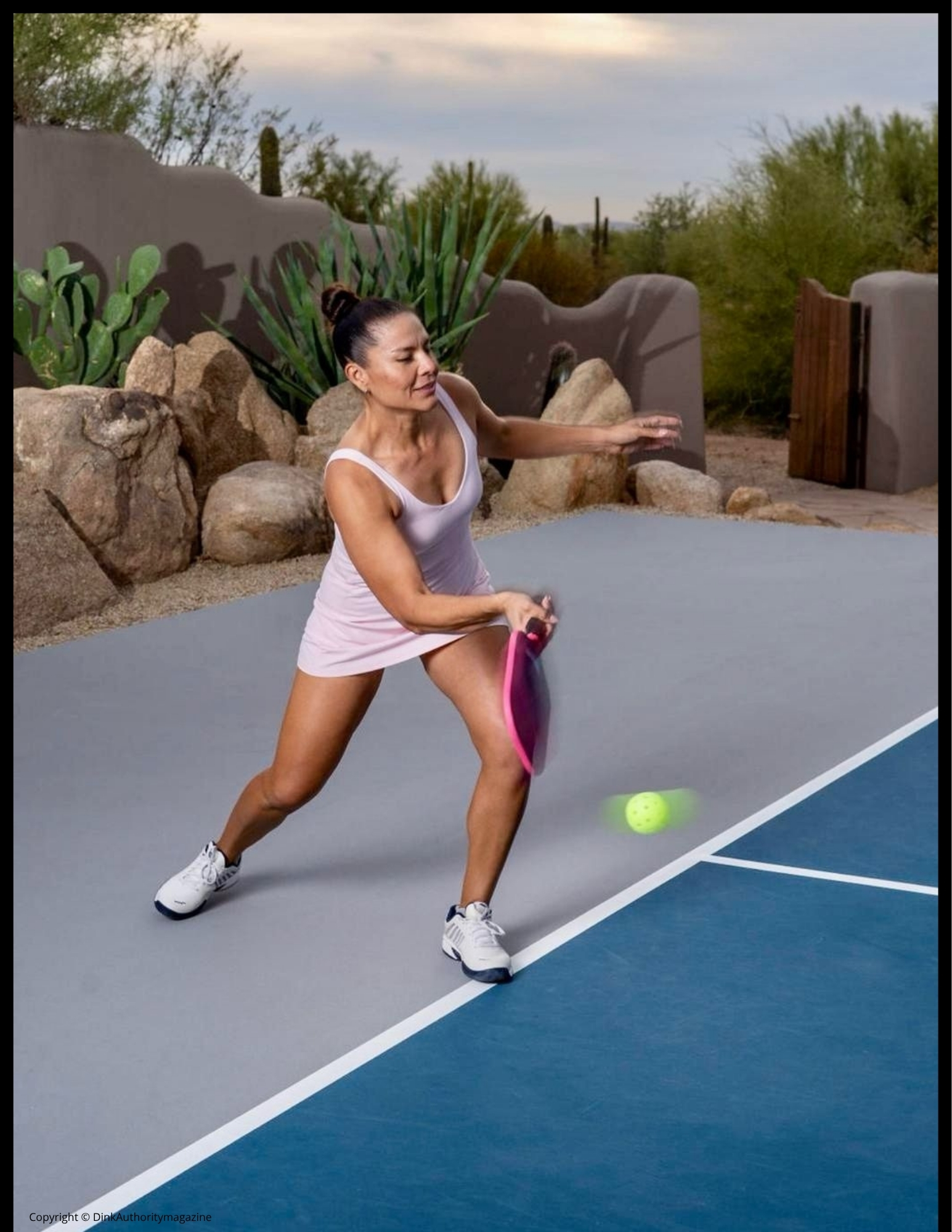
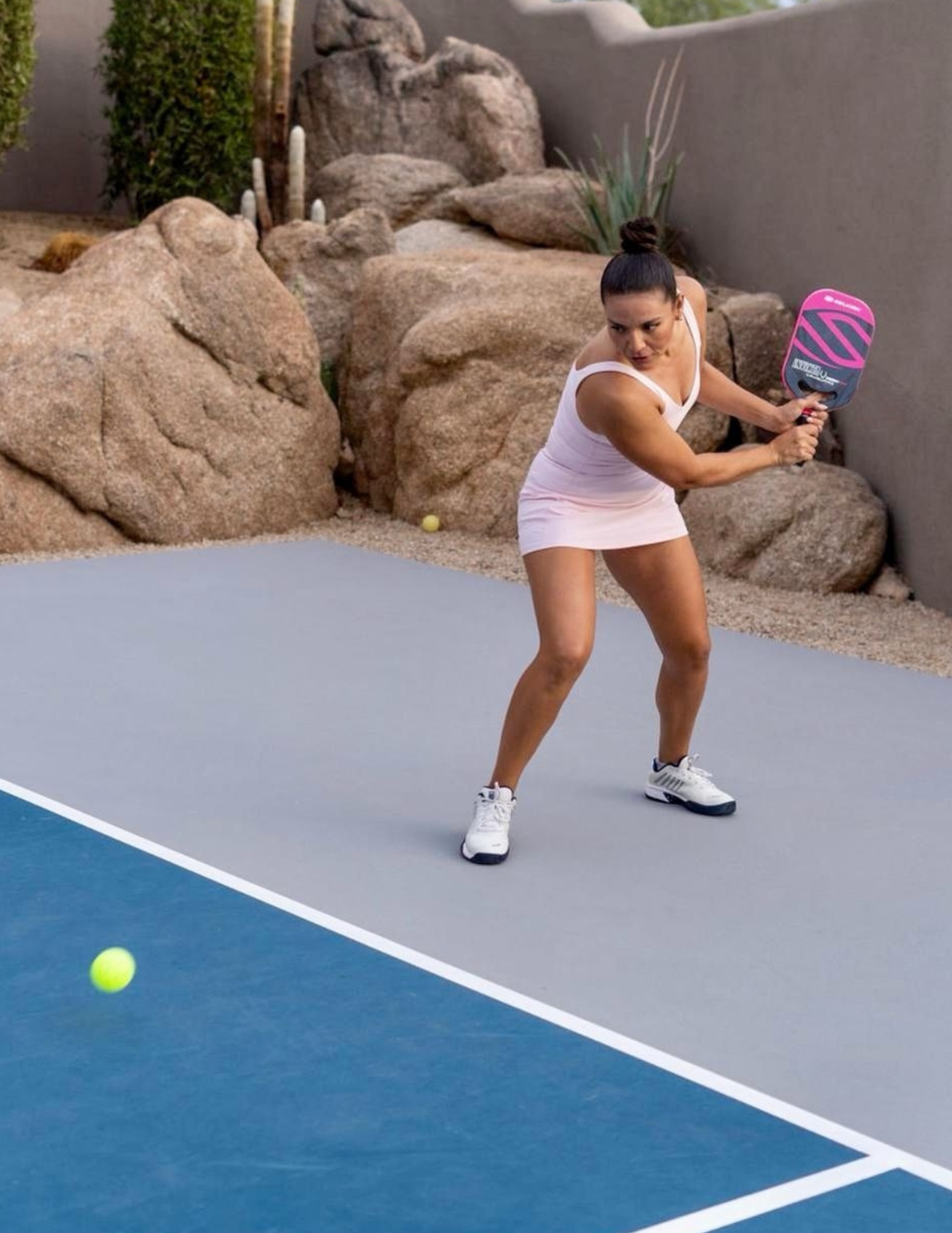
Body position:
Keep your shoulder-width apart, knees slightly bent, and weight slightly forward.
Hold the paddle with a relaxed grip.
Contact:
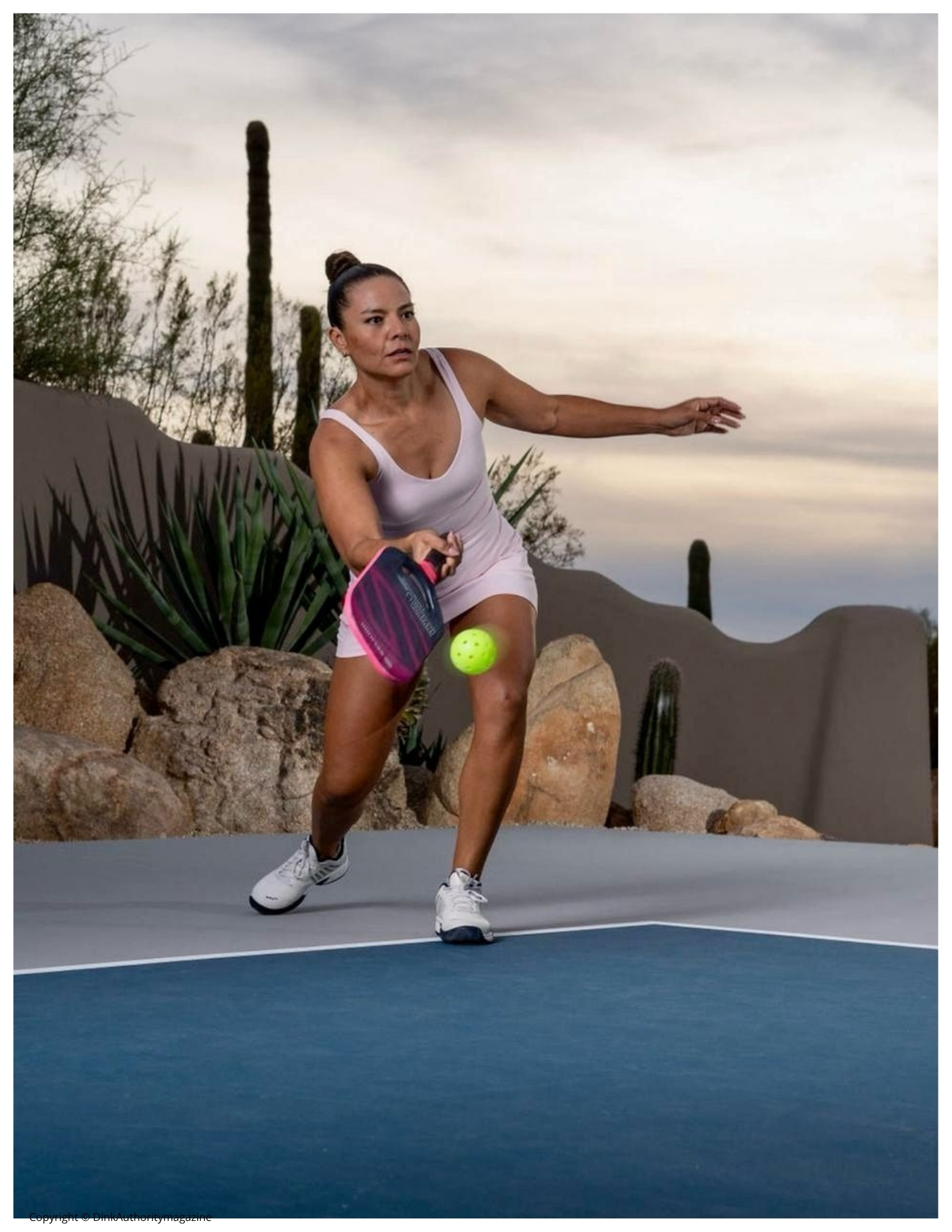
Make contact slightly in front of your body with a controlled upward swing. The swing doesn’t need to be big.
Pro tip:
Watch your paddle as you swing. That means keep the shot in front of you. Never take your eyes off the paddle or the ball.
Soft touch:
The shot should feel relaxed. Use a firm—but not stiff—wrist. Focus on precision.
LOVE PICKLEBALL?
Get Dink Authority Magazine updates, new editions, pro stories and event alerts.
We respect your privacy. Unsubscribe anytime.
Remember:
Your kitchen angle width helps close off sharp angles to the sides. This will help you close off their angles instead of opening up your own.
TIP:
Your drop shot doesn’t have to be perfect—it just needs to cross the net.
It’s better to be slightly high than into the net. If the ball clears the net, you always get another chance.
When Should You Use a Drop Shot?
Use the drop shot when:
• Your opponent is positioned at the net.
• When your opponents return a short ball and you have time to approach the kitchen.
• To slow down the pace of the rally.
• When you want to move forward to the kitchen line safely and without pressure.
When to Use a Drive
• When the third shot from your team is served, the third shot should be a drive—especially toward the player running forward.
• When your opponent just served and you’re receiving, go for a deep return drive.
• Remember: if your return crosscourt, you have more space to work with compared to a straight shot where the court is shorter.
• If both opponents are already at the net, you can hit a drive—they’ll likely return it to midcourt.
• But don’t rely on just drives—maybe one or two, then reset.
• When your opponent leaves gaps or shows weak reflexes.
Additional Tips
If the wind is against you, be careful.
If the wind is at your back, hit with topspin.
Aim for 70% wind control, ideally with topspin.
And if you’re driving to the player who returned the serve, aim with your feet set to stop and hit a tougher shot.
Unlike a high, powerful drive—which they can volley before the bounce—you want a controlled shot.
Third Shot Drop
The third shot drop isn’t just a technique—it’s a strategy.
Mastering it gives you the upper hand at the net… and helps you take control of the point.
Bonus tip:
Practice at the court or even in your driveway. Set a target and hit it over and over.
Remember: practice makes progress.
In pickleball, it’s who outforces your opponent to make the mistake.
How and When to Hit a Drop Shot or a Drive in Pickleball
Learn the correct technique and when to use a drop—or go for the drive. In pickleball, the drop shot is a decisive move.
Why? Because it puts you in a better position to move forward to the net. If your drop shot lands in the kitchen, move up as much as you can—until your opponent responds. If you shot deep and the kitchen line is still not defined on the move shot you made, you can reset or make another drop until you reach your goal: the kitchen line.
Here we explain how and when to use the drop shot, and when it’s better to go for an aggressive drive.
What is a Drop Shot?
It’s a soft, falling shot, usually played when both opponents are already at the kitchen line. The goal is to have the ball land softly in the non-volley zone (kitchen), making it harder for opponents to attack and giving you time to advance forward.
Drop Shot Technique
Body position:
Keep your shoulder-width apart, knees slightly bent, and weight slightly forward.
Current Issue

Dink Authority Magazine – April 2026
Read Now →
Hold the paddle with a relaxed grip.
Contact:
Make contact slightly in front of your body with a controlled upward swing. The swing doesn’t need to be big.
Pro tip:
Watch your paddle as you swing. That means keep the shot in front of you. Never take your eyes off the paddle or the ball.
Soft touch:
The shot should feel relaxed. Use a firm—but not stiff—wrist. Focus on precision.
LOVE PICKLEBALL?
Get Dink Authority Magazine updates, new editions, pro stories and event alerts.
We respect your privacy. Unsubscribe anytime.
Remember:
Your kitchen angle width helps close off sharp angles to the sides. This will help you close off their angles instead of opening up your own.
TIP:
Your drop shot doesn’t have to be perfect—it just needs to cross the net.
It’s better to be slightly high than into the net. If the ball clears the net, you always get another chance.
When Should You Use a Drop Shot?

Use the drop shot when:
• Your opponent is positioned at the net.
• When your opponents return a short ball and you have time to approach the kitchen.
• To slow down the pace of the rally.
• When you want to move forward to the kitchen line safely and without pressure.
When to Use a Drive
• When the third shot from your team is served, the third shot should be a drive—especially toward the player running forward.
• When your opponent just served and you’re receiving, go for a deep return drive.
• Remember: if your return crosscourt, you have more space to work with compared to a straight shot where the court is shorter.
• If both opponents are already at the net, you can hit a drive—they’ll likely return it to midcourt.
• But don’t rely on just drives—maybe one or two, then reset.
• When your opponent leaves gaps or shows weak reflexes.
Additional Tips
If the wind is against you, be careful.
If the wind is at your back, hit with topspin.
Aim for 70% wind control, ideally with topspin.

And if you’re driving to the player who returned the serve, aim with your feet set to stop and hit a tougher shot.
Unlike a high, powerful drive—which they can volley before the bounce—you want a controlled shot.
Third Shot Drop
The third shot drop isn’t just a technique—it’s a strategy.
Mastering it gives you the upper hand at the net… and helps you take control of the point.
Bonus tip:
Practice at the court or even in your driveway. Set a target and hit it over and over.
Remember: practice makes progress.
In pickleball, it’s who outforces your opponent to make the mistake.
Gallery