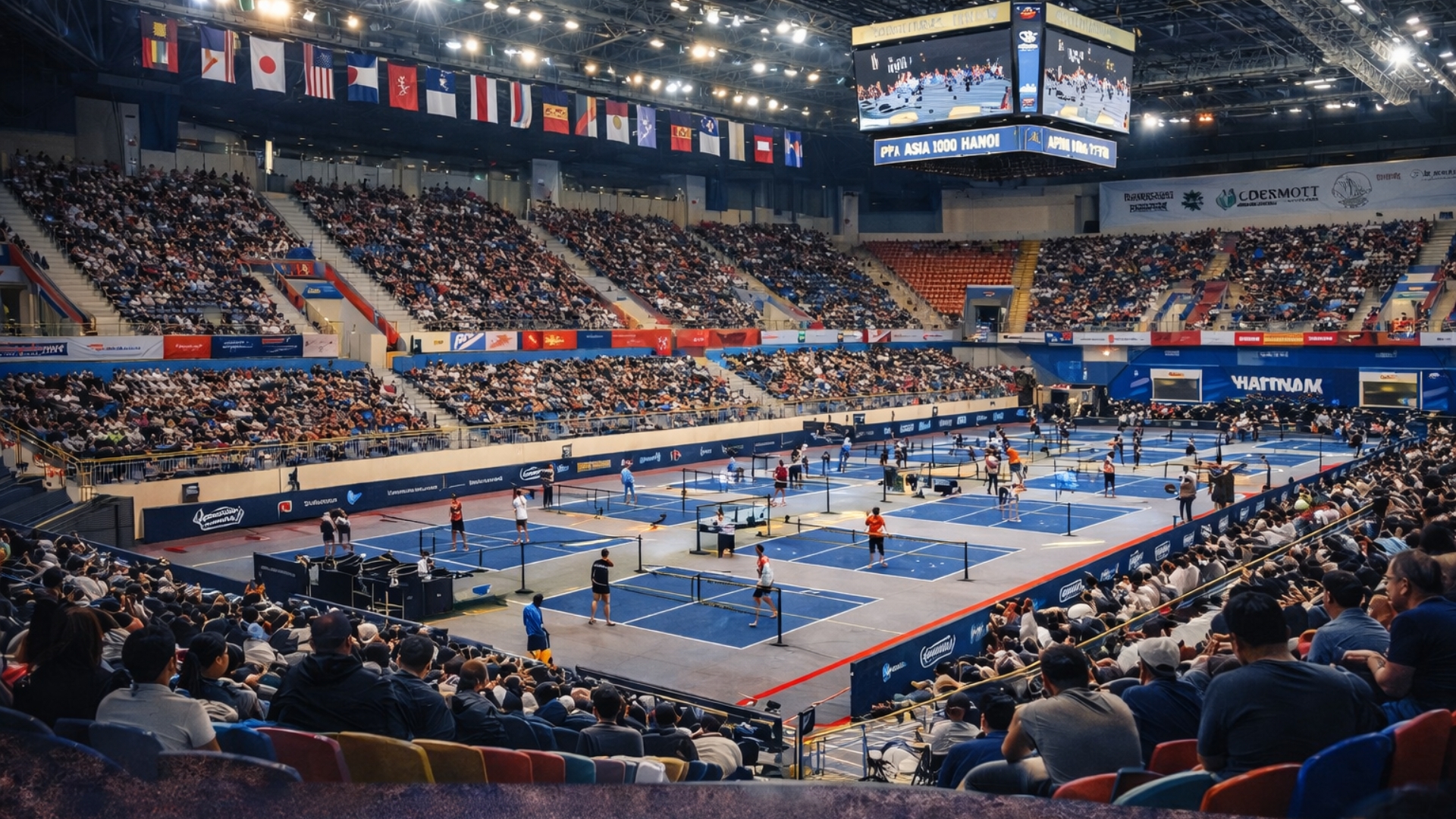

MLP Draft 2026: The Draft That Changed the Tone of Professional Pickleball
MLP Draft 2026
The Draft That Changed the Tone of Professional Pickleball
Franchises moved from instinct to infrastructure.
The 2026 MLP Draft confirmed that the league is now thinking in systems, not moments.
In just a few seasons, the MLP Draft has evolved from an ambitious experiment into the structural backbone of professional pickleball.
The 2026 edition made that evolution unmistakable.
With a dynamic bidding format, expanding cap rules, and a requirement to build deeper rosters before adding superstars, teams were forced to think several seasons ahead.
This was not about highlights.
It was about architecture.
And that shift is already beginning to reshape how the league grows.
Seven names.
One signal.
Professional pickleball now thinks like a major league.
The System Behind The Picks
The 2026 MLP Draft operated under a dynamic bidding selection process designed to introduce greater strategic balance across the league.
On February 15, teams were required to declare their keepers. A total of 43 players were retained and locked into rosters.
From there, 66 total selections were made to complete the player rosters across 20 franchises.
The requirement to fill starting four positions before adding bench depth forced teams to think in structure, not in headlines.
Depth. Compatibility. Projection.
These were the real draft currencies.
The 2026 Player Profile
The modern MLP athlete is no longer evaluated on power alone.
Franchises prioritized:
• Mid-game adaptability
• Tactical patience over shot volume
• Communication and emotional stability
• Data presence and international adaptability
The league is no longer drafting for viral moments.
It is drafting for sustainable windows.
From Profile To Proof
The shift is visible on the court.
Several franchises reinforced their roster cores with players who bring stability rather than spectacle.
Veterans who understand the rhythm of team formats became valuable assets in a system where each match point carries weight.
LOVE PICKLEBALL?
Get Dink Authority Magazine updates, new editions, pro stories and event alerts.
We respect your privacy. Unsubscribe anytime.
It’s less about the obvious superstar.
And more about the player who fits the architecture.
INSIDE THE PICKS
Anna Bright
Orlando Squeeze
Anna Bright’s arrival in Orlando was not a gamble. It was positioning. Her adaptability between doubles formats and her ability to absorb pressure moments made her one of the safest cornerstone selections of the draft.
Alex Crum
Columbus Sliders
Crum’s selection reflects roster compatibility more than individual dominance. His presence strengthens the tactical balance within Columbus’ lineup while reinforcing depth in high-leverage rotations.
Daria Walczak
Atlanta Bouncers
Walczak brings explosive transitions and disciplined court coverage. Atlanta added a player who blends defensive awareness with attacking confidence.
Bayley Bridges
Bay Area Breakers
Bridges enters the professional conversation as a player capable of shifting match dynamics. His athleticism and court awareness introduce a disruptive element within the Breakers’ system.
Alix Truong
Miami Pickleball Club
Truong represents the modern hybrid competitor: agile in transition, tactically flexible, and comfortable inside fast-paced doubles exchanges.
Emerging Signals #18 Len Yang
Bay Area Breakers
Yang’s selection reflects the league’s growing emphasis on adaptability and composure. His ability to manage tempo and extend rallies makes him a valuable long-term piece within structured team environments.
#25 Nico Acevedo
Miami Pickleball Club
Acevedo’s draft moment signals something larger than individual opportunity. It reflects the emergence of global talent entering professional circuits with maturity and strategic awareness.
#62 Paula Rives
Los Angeles Mad Drops
Low-pressure selections can sometimes produce the most intriguing outcomes. Rives brings athletic versatility and a competitive mindset that could evolve quickly inside the Mad Drops’ system.
The 2026 MLP Draft was not about headlines.
It was about infrastructure.
Across four rounds and dozens of selections, franchises signaled something clear: the league has entered a strategic phase where roster construction matters as much as star power.
International markets influence decisions.
Data informs evaluations.
And long-term competitive stability is being engineered rather than hoped for.
The Shift Is Structural
Pickleball did not grow by accident.
And it will not mature by accident either.
The 2026 MLP Draft confirmed what insiders have sensed for months: the league has moved beyond experimentation. Franchises are now building rosters for sustained momentum.
Dynamic bidding, data-driven projections, keeper strategy, and international scouting are becoming permanent tools in roster construction.
This is how professional leagues stabilize.
Across all selections, several patterns emerged:
• Versatility over volatility
• Structure over spectacle
• Projection over impulse
The MLP Draft is no longer simply an event.
It is a planning instrument.
What This Means For The Competitive Player
For the 3.5–4.0 competitor watching from club courts across the country, this evolution offers a blueprint.
Patience matters.
Transitions matter.
Emotional stability matters.
The league is drafting for efficiency—not flash.
And that philosophy is quietly redefining what competitive pickleball looks like at every level.
The modern MLP window is built — not chased.
MLP Draft 2026
The Draft That Changed the Tone of Professional Pickleball
Franchises moved from instinct to infrastructure.
The 2026 MLP Draft confirmed that the league is now thinking in systems, not moments.
In just a few seasons, the MLP Draft has evolved from an ambitious experiment into the structural backbone of professional pickleball.
The 2026 edition made that evolution unmistakable.
With a dynamic bidding format, expanding cap rules, and a requirement to build deeper rosters before adding superstars, teams were forced to think several seasons ahead.
This was not about highlights.
It was about architecture.
And that shift is already beginning to reshape how the league grows.
Seven names.
One signal.
Professional pickleball now thinks like a major league.
The System Behind The Picks
The 2026 MLP Draft operated under a dynamic bidding selection process designed to introduce greater strategic balance across the league.
On February 15, teams were required to declare their keepers. A total of 43 players were retained and locked into rosters.
From there, 66 total selections were made to complete the player rosters across 20 franchises.
The requirement to fill starting four positions before adding bench depth forced teams to think in structure, not in headlines.
Depth. Compatibility. Projection.
These were the real draft currencies.
Current Issue
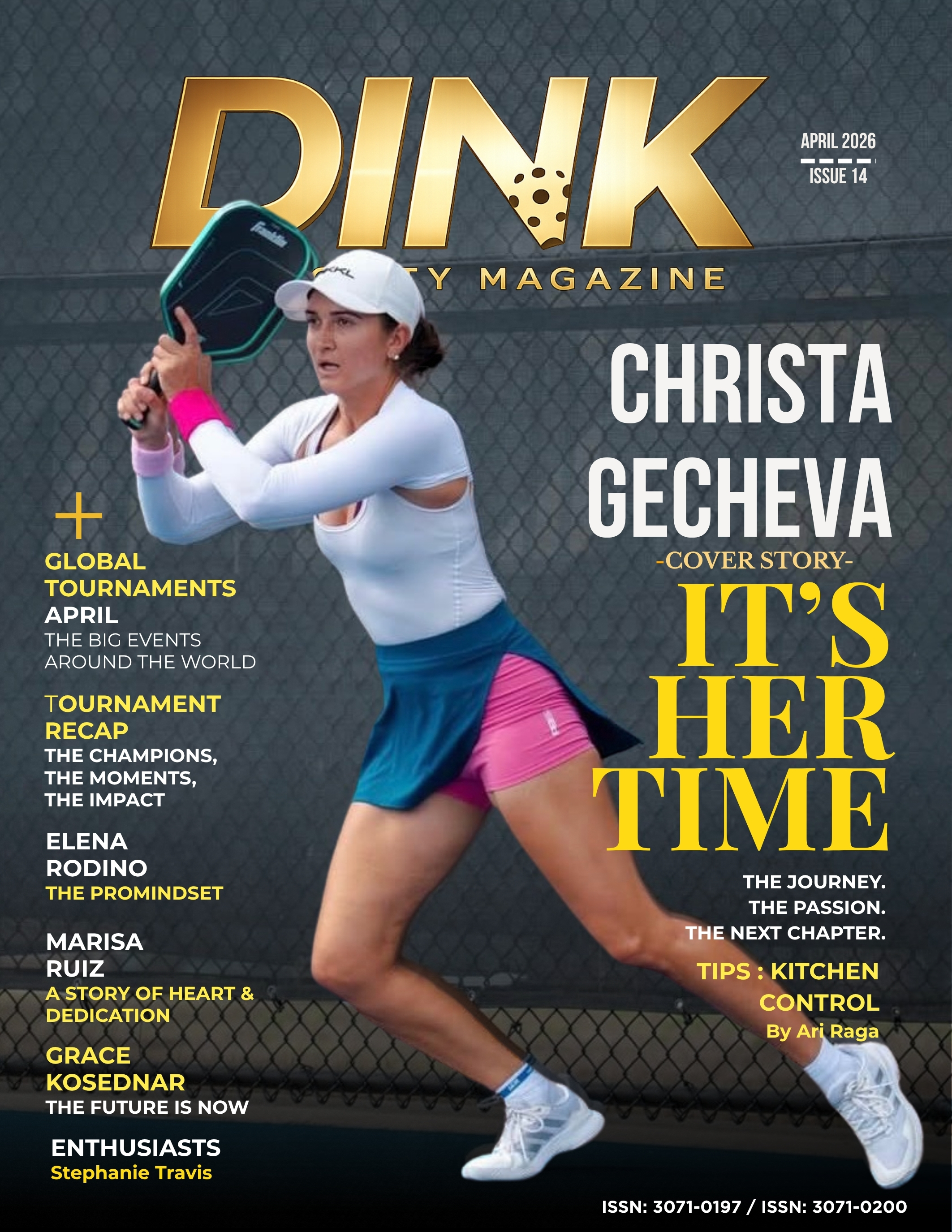
Dink Authority Magazine – April 2026
Read Now →
The 2026 Player Profile
The modern MLP athlete is no longer evaluated on power alone.
Franchises prioritized:
• Mid-game adaptability
• Tactical patience over shot volume
• Communication and emotional stability
• Data presence and international adaptability
The league is no longer drafting for viral moments.
It is drafting for sustainable windows.
From Profile To Proof
The shift is visible on the court.
Several franchises reinforced their roster cores with players who bring stability rather than spectacle.
Veterans who understand the rhythm of team formats became valuable assets in a system where each match point carries weight.
LOVE PICKLEBALL?
Get Dink Authority Magazine updates, new editions, pro stories and event alerts.
We respect your privacy. Unsubscribe anytime.
It’s less about the obvious superstar.
And more about the player who fits the architecture.
INSIDE THE PICKS
Anna Bright
Orlando Squeeze
Anna Bright’s arrival in Orlando was not a gamble. It was positioning. Her adaptability between doubles formats and her ability to absorb pressure moments made her one of the safest cornerstone selections of the draft.
Alex Crum
Columbus Sliders
Crum’s selection reflects roster compatibility more than individual dominance. His presence strengthens the tactical balance within Columbus’ lineup while reinforcing depth in high-leverage rotations.
Daria Walczak
Atlanta Bouncers

Walczak brings explosive transitions and disciplined court coverage. Atlanta added a player who blends defensive awareness with attacking confidence.
Bayley Bridges
Bay Area Breakers
Bridges enters the professional conversation as a player capable of shifting match dynamics. His athleticism and court awareness introduce a disruptive element within the Breakers’ system.
Alix Truong
Miami Pickleball Club
Truong represents the modern hybrid competitor: agile in transition, tactically flexible, and comfortable inside fast-paced doubles exchanges.
Emerging Signals #18 Len Yang
Bay Area Breakers
Yang’s selection reflects the league’s growing emphasis on adaptability and composure. His ability to manage tempo and extend rallies makes him a valuable long-term piece within structured team environments.
#25 Nico Acevedo
Miami Pickleball Club
Acevedo’s draft moment signals something larger than individual opportunity. It reflects the emergence of global talent entering professional circuits with maturity and strategic awareness.
#62 Paula Rives
Los Angeles Mad Drops
Low-pressure selections can sometimes produce the most intriguing outcomes. Rives brings athletic versatility and a competitive mindset that could evolve quickly inside the Mad Drops’ system.
The 2026 MLP Draft was not about headlines.
It was about infrastructure.
Across four rounds and dozens of selections, franchises signaled something clear: the league has entered a strategic phase where roster construction matters as much as star power.
International markets influence decisions.

Data informs evaluations.
And long-term competitive stability is being engineered rather than hoped for.
The Shift Is Structural
Pickleball did not grow by accident.
And it will not mature by accident either.
The 2026 MLP Draft confirmed what insiders have sensed for months: the league has moved beyond experimentation. Franchises are now building rosters for sustained momentum.
Dynamic bidding, data-driven projections, keeper strategy, and international scouting are becoming permanent tools in roster construction.
This is how professional leagues stabilize.
Across all selections, several patterns emerged:
• Versatility over volatility
• Structure over spectacle
• Projection over impulse
The MLP Draft is no longer simply an event.
It is a planning instrument.
What This Means For The Competitive Player
For the 3.5–4.0 competitor watching from club courts across the country, this evolution offers a blueprint.
Patience matters.
Transitions matter.
Emotional stability matters.
The league is drafting for efficiency—not flash.
And that philosophy is quietly redefining what competitive pickleball looks like at every level.
The modern MLP window is built — not chased.